January 16, 2026
Breaking down on the highway is stressful, potentially dangerous, and can catch any driver off guard. Knowing how to handle such situations calmly and efficiently is essential. Being prepared with practical steps can minimize risks, protect you and others, and help you manage the situation until professional help arrives. From ensuring personal safety to evaluating your vehicle and securing assistance, this guide covers everything you need to handle a highway breakdown with confidence.
Ensure Your Safety
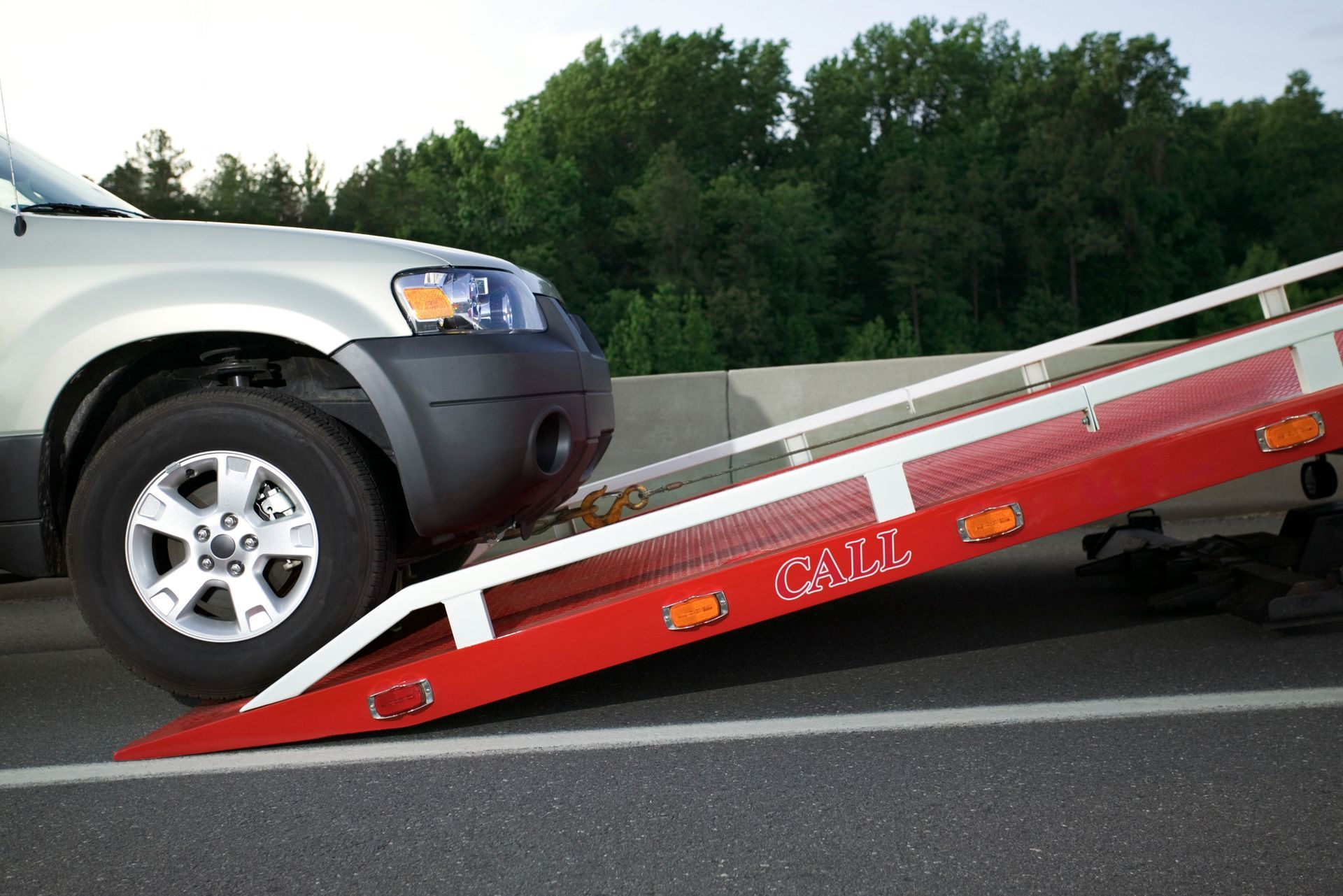
Pull over to a safe location as your first priority. Look for the nearest exit or emergency pull-off area to get off the main roadway. If no designated area is available, steer your car toward the shoulder, making sure you are clear of active traffic lanes. According to reports from LookupAPlate, around 55,000 vehicles are towed daily in the United States, underscoring the importance of selecting a secure spot for your vehicle to avoid collisions.
Once stopped, activate your hazard lights. These lights alert other drivers to your situation and reduce the chance of an accident while you are stationary. Verify that your hazard lights work correctly during regular vehicle maintenance. They become particularly critical in low visibility situations, such as at night or during adverse weather.
Before stepping out of your car, ensure it’s safe to exit. Use the passenger-side door away from traffic whenever possible, and maintain a safe distance from passing vehicles. Having a flashlight in your emergency kit is useful for signaling to approaching traffic. Remember, your personal safety comes first—your vehicle can be repaired, but you cannot replace yourself.
Enhance your visibility with safety flares or reflective cones. Place them at a safe distance behind your car to give oncoming drivers ample warning. Setting up this awareness zone is especially helpful on highways with fast-moving traffic, as it reduces the likelihood of secondary accidents.
Stay aware of your surroundings at all times. Monitor traffic flow, weather changes, and any approaching pedestrians or vehicles. Adjust your position if necessary, and remain alert to ensure your safety while waiting for assistance.
Assess the Situation
After securing your safety, identify the problem with your vehicle. Listen for unusual sounds, check for odors, and observe dashboard indicators. Understanding basic vehicle issues helps you describe the problem to professionals if towing or repair services are required. Quick identification can also guide your next steps efficiently.
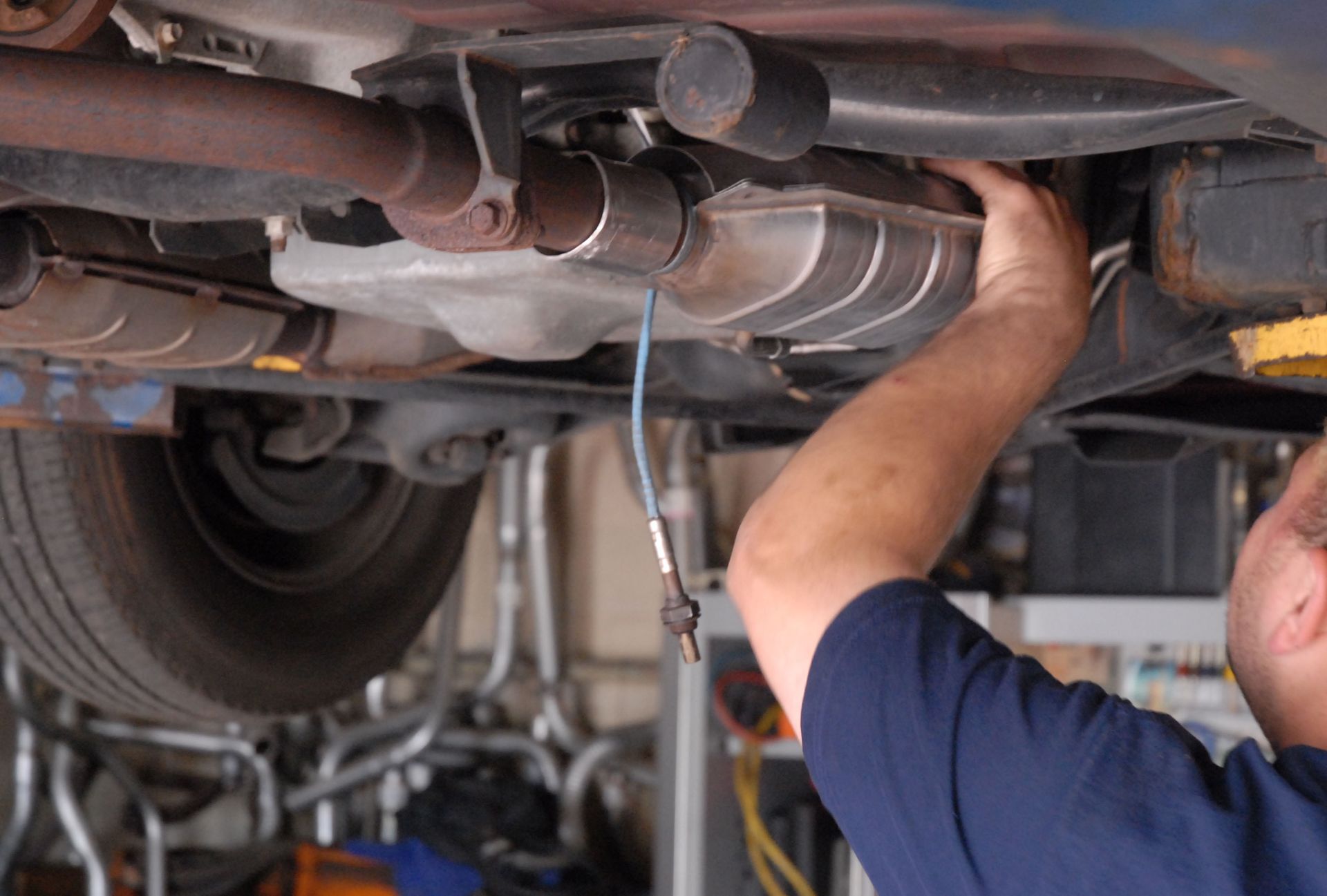
Check your vehicle’s vital signs, including tire pressure, fluid levels, and engine temperature. If safe, inspect under the hood for loose wires or visible leaks. Having basic diagnostic tools in your emergency kit makes it easier to assess minor issues and determine whether immediate action is possible.
Decide whether an immediate repair is feasible. Flat tires or drained batteries can sometimes be managed with a spare or jump starter. Follow instructions in your vehicle manual and ensure you have the necessary tools. For more complex problems, it’s safer to avoid further intervention and wait for professional help, especially on a busy highway.
Evaluate whether you should stay with your car or seek help on foot. Consider your proximity to service stations, traffic conditions, and time of day. On major highways, remaining with your vehicle is generally safest unless help is very close. Leaving your car increases personal risk, particularly in unfamiliar areas.
Assess the need for professional assistance, such as towing services. A roadside assistance plan can simplify this process. Determine whether the issue is minor and repairable or if towing is necessary. In severe cases like brake failure or engine smoke, contact emergency services immediately to protect yourself and other motorists.
Communicate and Alert Authorities
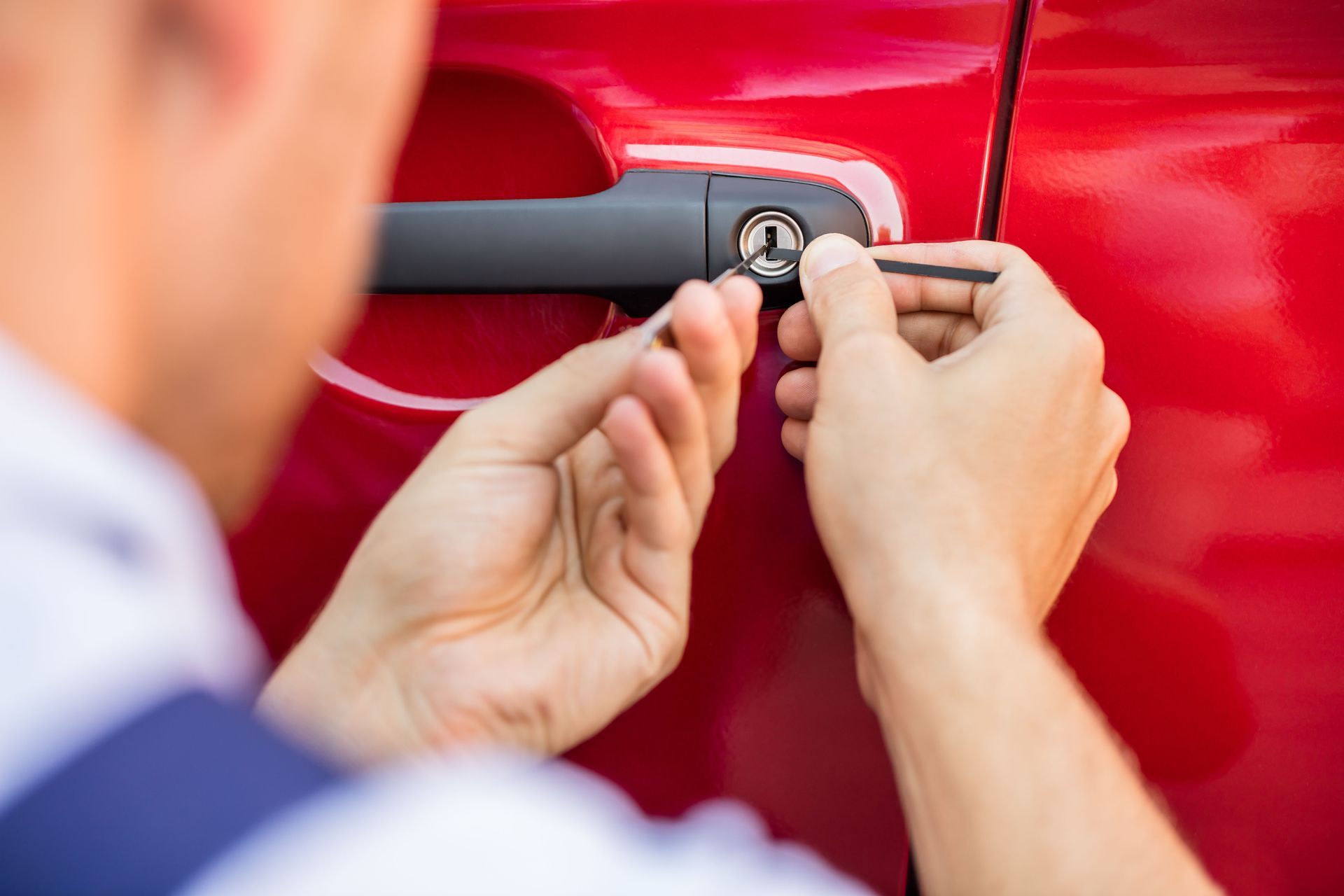
Contact roadside assistance as soon as possible. Many insurance policies and auto clubs include services such as towing, battery jumps, and lockout support. Keep contact numbers accessible in your phone or vehicle for quick use during emergencies. Knowing your plan’s coverage ahead of time prevents surprises.
Notify family or friends of your situation. Provide your exact location and estimated wait time for help. This ensures someone is aware of your whereabouts, offering additional support and peace of mind. Staying connected helps reduce anxiety while you wait for assistance.
In certain cases, reach out to highway patrol or authorities. If your vehicle is a hazard or requires immediate attention, law enforcement can help manage traffic and ensure safety. Contacting authorities adds a layer of protection and reassurance during challenging circumstances.
Use emergency apps to aid in communication and navigation. Apps like Waze provide traffic updates, route guidance, and sometimes direct access to roadside assistance programs. Installing these tools in advance ensures you have multiple ways to secure help quickly.
Keep your phone accessible and charged. A portable charger or power bank ensures that your device remains functional, even in remote areas. Your phone is essential for contacting assistance, monitoring traffic, and keeping in touch with loved ones.
Attempt Basic Repairs
Refer to your vehicle’s manual for guidance on simple troubleshooting. Understanding manufacturer-specific instructions helps you address minor problems efficiently, such as battery issues, tire changes, or fuse replacements. Familiarity with these instructions saves time during an emergency.
Utilize an emergency car kit if needed. Items like jump leads, first aid supplies, and basic tools can aid in temporary fixes and provide comfort during delays. Regularly check and replenish your kit to keep it ready for use.
Perform simple repairs if possible, such as changing a flat tire, replacing a blown fuse, or topping off fluids. These small interventions can prevent minor issues from escalating and help you reach a safer location. Practice these procedures beforehand in controlled environments to ensure confidence in emergencies.
Avoid overcomplicating repairs on the highway. Tackling issues beyond your expertise can worsen the situation or create hazards. Complex repairs are best left to trained professionals to prevent injury and further vehicle damage.
Recognize when to wait for assistance rather than attempting risky fixes. Minor symptoms may indicate larger mechanical problems. Waiting for towing or repair services often prevents costly mistakes and ensures proper handling of your vehicle.
Prioritize Personal Well-Being
Maintain your physical comfort while waiting. Stay hydrated, and use climate controls in your vehicle to remain warm or cool as needed. Physical well-being directly impacts your ability to make clear decisions during a breakdown.
Keep passengers calm. Panic can increase stress and impair rational thinking. Communicate steps clearly and employ calming techniques such as deep breathing to help everyone remain composed.
Manage anxiety through focused breathing, visualization, or light distractions like music or conversation. Accepting that some elements are beyond control helps reduce stress and promotes resilience during the wait.
Prepare for extended delays by bringing snacks, entertainment, and patience. Reading or listening to podcasts can pass the time productively, making the wait less stressful.
Safeguard valuables such as money, documents, and electronics. Keep these items organized and secure, especially if you must step away from the vehicle temporarily. Protecting your belongings adds another layer of preparedness.
Reflect and Prepare for Future Incidents
After the breakdown, review what occurred. Analyze what went wrong, what worked well, and what can be improved for future incidents. Reflection allows you to implement preventive measures and reinforces readiness for similar events.
Keep vehicle maintenance current. Regularly check oil, brakes, and fluid levels to prevent unexpected failures. Well-maintained cars reduce the likelihood of needing towing or emergency services.
Equip your car with essential emergency supplies, including spare tires, first aid kits, and a basic toolbox. Staying prepared ensures confidence and efficiency during breakdowns.
Review your roadside assistance plan regularly. Confirm that towing coverage, response times, and contact information are up-to-date. Being familiar with your plan ensures informed decisions when emergencies arise.
Educate yourself and others on vehicle safety, basic repairs, and emergency protocols. Knowledge empowers you and your passengers to act confidently and safely during unforeseen incidents.
Preparation, awareness, and proper tools reduce stress and improve outcomes during unexpected car troubles. Always prioritize safety first and take advantage of professional services like towing when needed. For any situation where you require towing or expert assistance, we a t Pitbull Towing Salvage & Repair are ready to help, ensuring you and your vehicle are handled with care and efficiency.