March 25, 2026
An unexpected vehicle breakdown or roadside emergency can be stressful. Knowing what steps to take before calling a towing service can make the process smoother and help keep you and your passengers safe. Being prepared and having a basic understanding of towing procedures can make a significant difference in how you handle the situation. This article provides practical guidance and tips for handling a towing situation effectively, helping you feel more confident if the need arises.
Critical Assessment
Ensure Safety
Your first priority is safety. Pull over to the side of the road away from traffic if possible and activate your hazard lights. Keep a safe distance from oncoming vehicles, and if visibility is low, consider using reflective triangles or road flares to increase your vehicle's visibility. Taking a moment to assess the surroundings can help reduce stress and give you a clearer perspective on how to proceed. It also allows you to check that all passengers are secure and comfortable while waiting for assistance, which can make the experience feel more manageable. Being aware of your surroundings contributes to a safer and calmer approach while awaiting help.
Check Vehicle
Before calling for towing, determine if your vehicle can still be driven safely. Check basic issues such as fuel levels, tire condition, or whether the car starts normally. Minor issues like a flat tire or empty gas tank might be resolved without towing, saving you time and money. Even if the vehicle seems operable, taking a few moments to assess whether it can move safely over a short distance helps you avoid further complications. Considering all aspects of the vehicle's condition allows you to make an informed decision that prioritizes safety and efficiency.
Practical Options
Know Tow Trucks
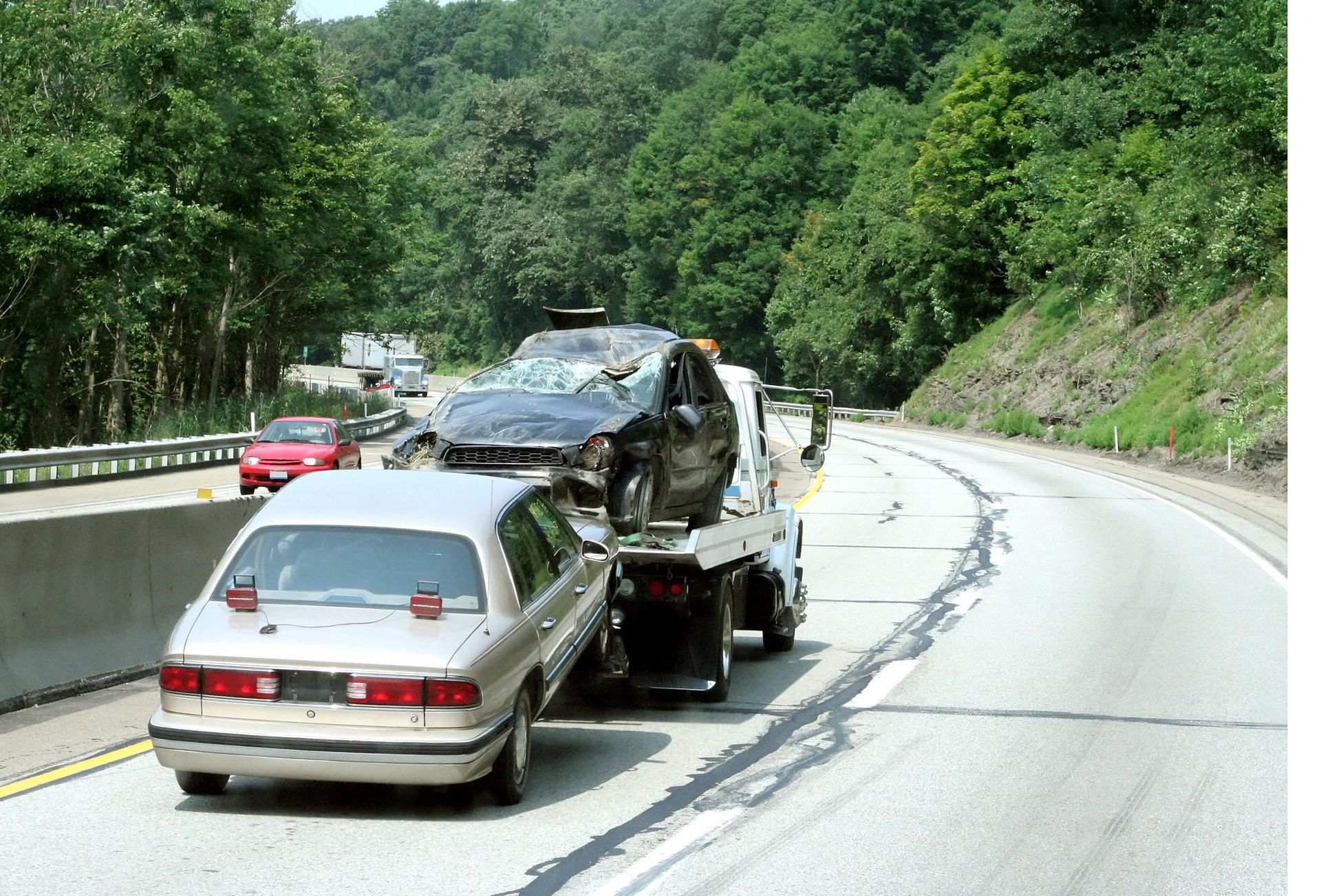
According to the International Towing Museum, the first tow truck was invented by Ernest Holmes Sr. in Chattanooga, Tennessee in 1918. This early innovation laid the groundwork for modern towing services, helping vehicles in need across the country. Knowing the types of tow trucks available helps you request the right service. Common options include flatbed towing for safe transport and wheel-lift towing for vehicles in tight spots. Clear communication about your vehicle's condition ensures the tow team arrives prepared. Having a basic understanding of what each type of tow truck does can help you feel more informed about the process. This information also helps you plan for any special handling your vehicle may require and makes the conversation with the towing service more effective.
Compare Towing Needs
Basic towing involves moving a vehicle from one location to another. In emergency situations, tow operators can also handle vehicles stuck in ditches or other challenging positions. Understanding your vehicle's needs helps the tow service provide appropriate assistance efficiently. Even if the situation seems straightforward, taking a few moments to think through any unusual circumstances can improve the outcome. It also ensures the towing service can bring the right equipment to handle the scenario safely, reducing potential delays or complications.
Important Information
Prepare Vehicle Details
Before calling for towing, have your vehicle's make, model, year, and color ready. Note any special circumstances, like tight spaces or low clearance. Clear details help the tow operator arrive prepared with the right equipment. In addition to basic vehicle information, consider noting any unusual conditions such as a flat tire, battery issues, or the position of the vehicle on the roadside. Providing this information up front can make the pickup faster and less complicated. Being thorough in providing details can improve efficiency and reduce stress during the process.
Select Drop-off Location
Decide in advance where your vehicle should be taken, whether it is your home, a repair shop, or another safe location. Providing this information upfront ensures a smoother and more efficient towing process. Thinking ahead about where the vehicle should go can prevent delays and help you coordinate any follow-up plans, such as arranging alternate transportation while the vehicle is being towed. Being prepared with a designated location contributes to a seamless experience for both parties involved.
Key Considerations
Understand Service Costs
Towing costs depend on factors like distance and the type of service required. Discussing your situation with the tow operator ensures accurate estimates and helps you prepare accordingly. Costs may vary depending on location, time of day, and any additional considerations, so having a clear understanding of potential expenses helps you plan. Being prepared for the cost in advance reduces stress and makes the overall experience more manageable. Asking questions about pricing can provide clarity and prevent surprises during service.
Account for Extra Services
Extras, such as winching a vehicle from mud or other challenging positions, may affect costs. Informing the towing company about any unique conditions helps them provide a more accurate estimate and ensures the right equipment is dispatched. Even minor details, like the angle of a parked vehicle or limited space to maneuver, can influence how the service is performed, so providing as much information as possible is helpful. Awareness of these details can prevent delays and optimize the overall towing process.
Useful Waiting Steps
Maintain Safety
While waiting, remain safe by staying in your vehicle if you are in a dangerous location. Maintain awareness of your surroundings. Use reflective items if you must exit the vehicle to increase visibility. Passing time safely can also mean checking that everyone is comfortable, keeping children or pets secure, and avoiding unnecessary distractions. Taking simple precautions can make the waiting period calmer and less stressful while ensuring everyone remains protected until help arrives.
Contact Family or Friends
Letting people know your situation can provide reassurance and additional safety. Share your location and expected wait time to ensure they are aware of your circumstances. Having someone else aware of your situation can provide peace of mind and allow them to offer assistance if needed, whether that is a ride home or simply checking in until the service arrives. This can also reduce anxiety and make the experience feel less isolating.
Thorough Inspection
Inspect Vehicle
Once your vehicle has been towed, check for any damage or issues that may have occurred during transport. Notify the tow operator immediately if concerns arise to address them promptly. Taking a few extra minutes to inspect your vehicle can provide peace of mind and ensure that any issues are documented while still fresh in mind. Having clear documentation can also be helpful for any potential follow-up steps or questions about the service.
Plan for Future Readiness
Use the experience to improve future readiness. Keep emergency supplies in your car and maintain contact information for towing services. Being prepared helps manage any future vehicle emergencies with greater confidence and safety. Reflecting on the situation can also help you identify items to keep in your vehicle, such as flashlights, reflective gear, or simple tools that could help in minor roadside scenarios. Learning from the experience supports better planning for unforeseen events.
Preparation and knowledge are key when dealing with vehicle breakdowns and towing situations. By understanding what to expect and taking the appropriate steps beforehand, you can ensure your safety, reduce stress, and make the towing process more efficient. When you need professional towing or roadside assistance in Ozaukee County, Wisconsin, Pitbull Towing Salvage & Repair is available to provide fast service at any time of day or night, and our operators are ready to handle all aspects of towing promptly and effectively.