April 2, 2026
The evolution of automotive technology has dramatically changed what it means to replace a car key. Not too long ago, losing a key meant a quick trip to the hardware store and a simple metal copy. Today, it’s a different story. Modern vehicles rely on advanced electronic systems, encrypted communication, and integrated security features designed to stop theft before it starts. That sophistication is great for safety—but it also means key replacement now requires specialized knowledge, advanced tools, and a steady hand.
According to a locksmith industry survey from ADS Security, around 16,000 people get locked out of their cars or homes every day in the U.S. That number alone shows how common these situations are, and why professional help matters. Behind every successful key replacement is a careful process that blends technology, diagnostics, and real-world problem-solving. Let’s walk through how professionals handle key replacement for modern vehicles and why the process is far more involved than most people realize.
Recognizing the Complexity of Modern Vehicle Key Systems
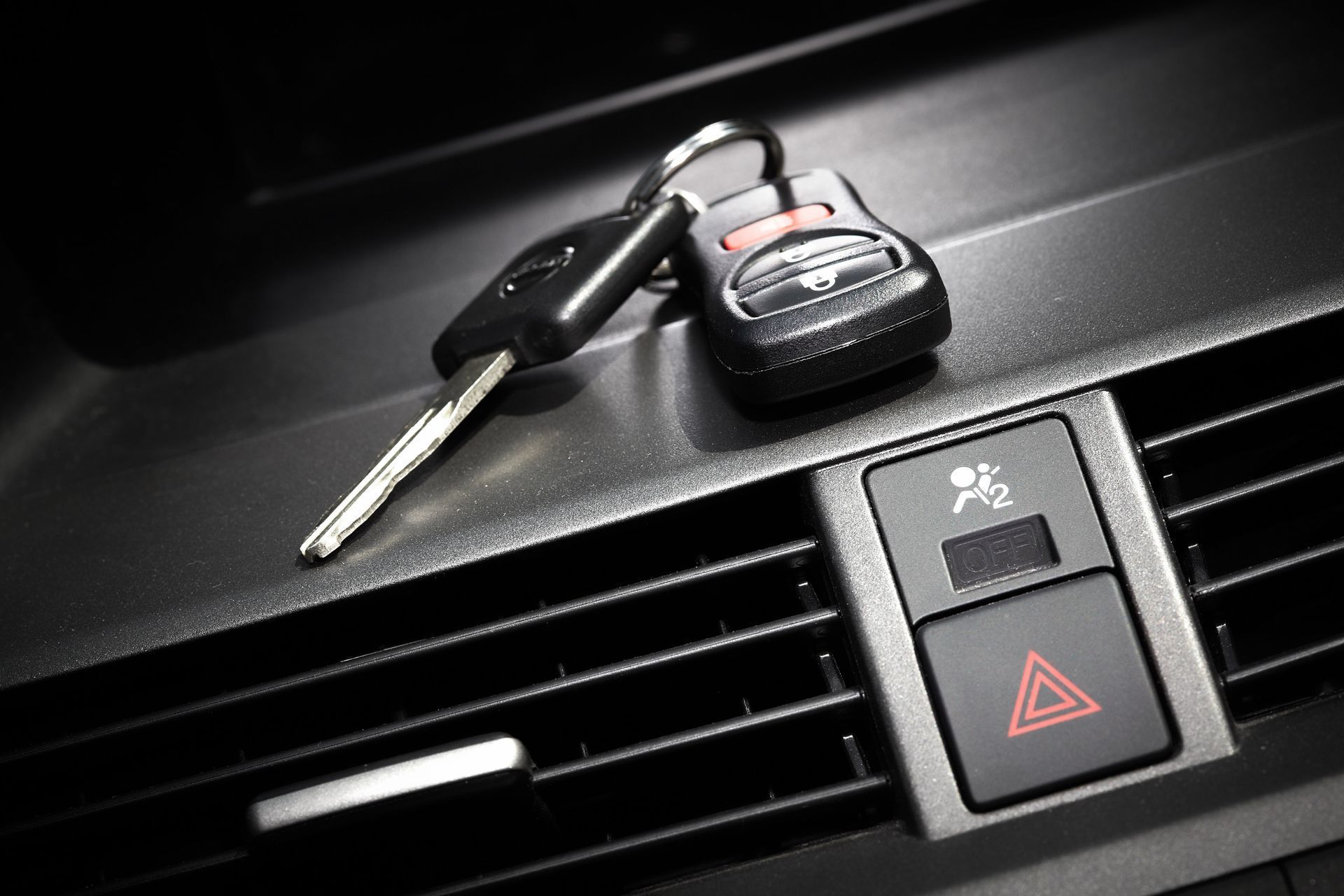
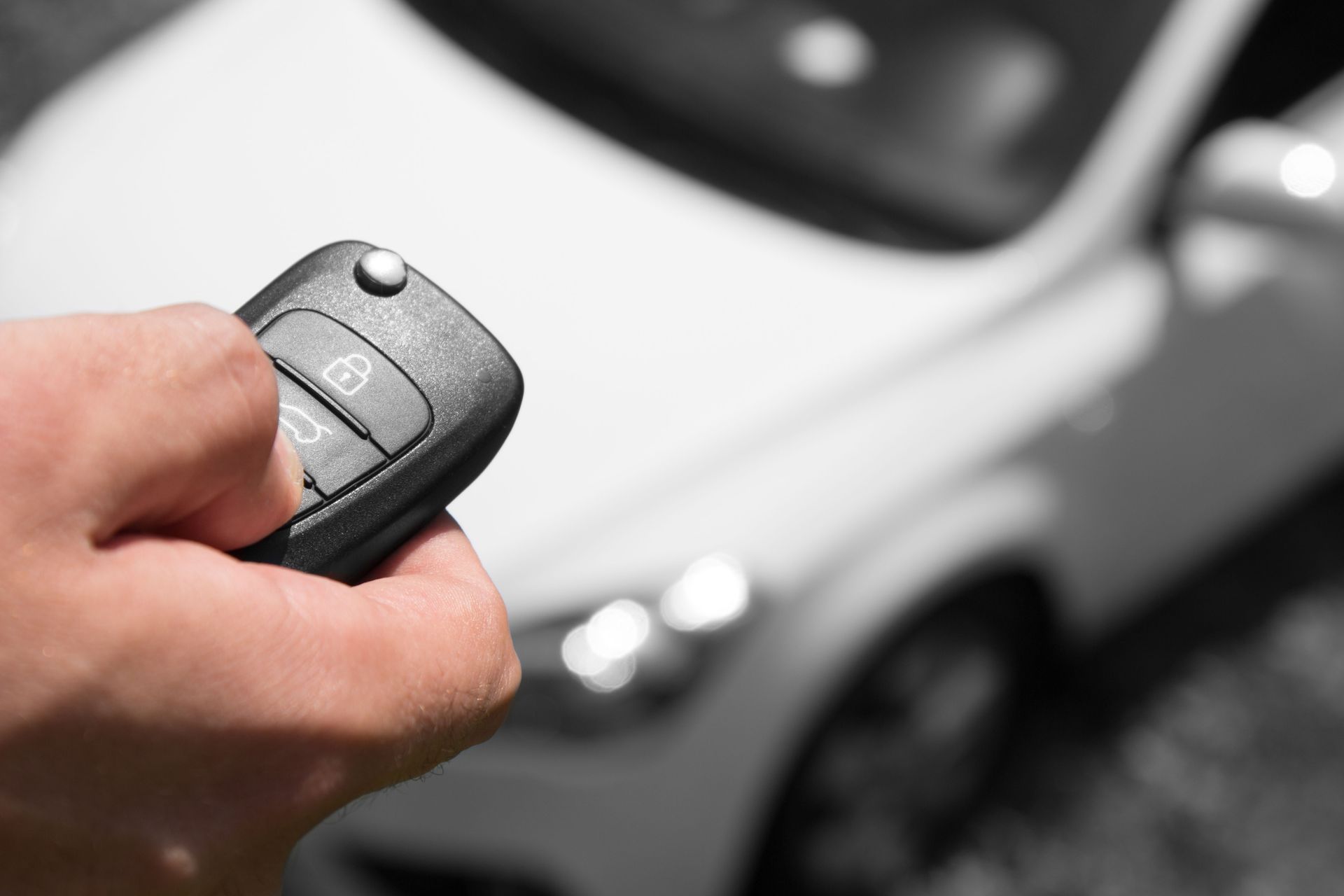
Modern car keys are no longer just keys. They are electronic devices that communicate directly with a vehicle’s onboard computer. Over the years, automotive manufacturers have moved from basic mechanical designs to transponder keys, smart keys, proximity systems, and fully keyless entry. Each step forward added convenience, but also layered on new security requirements.
This evolution means key replacement now starts with understanding exactly what type of system the vehicle uses. A traditional metal blade might still unlock a door, but without the correct electronic code, the engine won’t start. That’s intentional. Vehicles are designed to reject anything that doesn’t match their encrypted profile. An experienced auto locksmith must stay current with these changes, learning how different manufacturers implement security and how each system behaves when a key is lost or damaged. Without that foundational knowledge, even the most advanced tools won’t help.
Evaluating the Vehicle and Verifying Ownership
Before any cutting or programming begins, assessment comes first. This step is about accuracy, safety, and trust. Vehicle information such as the make, model, year, and VIN is reviewed to determine the correct key type and programming method. Just as important is verifying ownership. Because modern keys provide full access to a vehicle, strict identity checks protect everyone involved. This verification process isn’t red tape—it’s what prevents unauthorized access and potential theft. From a customer’s perspective, this part may feel routine, but behind the scenes it sets the stage for everything that follows. When done correctly, it prevents costly mistakes and ensures the replacement process runs smoothly from start to finish.
Identifying the Correct Key Type and Technology
Not all modern keys work the same way, even if they look similar. Some rely on passive RFID chips, others on rolling codes, and some communicate wirelessly the moment they come within range of the vehicle. Identifying the exact technology involved is critical. This step often involves diagnostic tools that read data from the vehicle’s onboard system. These tools reveal what kind of key the car expects, whether it supports onboard programming, and if any security restrictions are in place. For an auto locksmith, this is where experience really shows. Knowing how to interpret diagnostic data—and what it means for the next step—can make the difference between a fast solution and hours of frustration.
Cutting and Programming the Replacement Key
Key cutting today is a mix of precision engineering and digital expertise. While some vehicles still require a physical blade to be cut, others rely entirely on electronic programming. Many require both. Portable key-cutting machines allow professionals to create accurate physical keys on site, while advanced programmers sync the new key to the vehicle’s computer. This programming step is what tells the car, “Yes, this key belongs here.”
Programming isn’t universal. Different manufacturers use different protocols, and some systems are intentionally restrictive. A skilled auto locksmith understands how to navigate these differences without damaging the vehicle or triggering security lockouts.
Managing Lockouts and Non-Destructive Entry
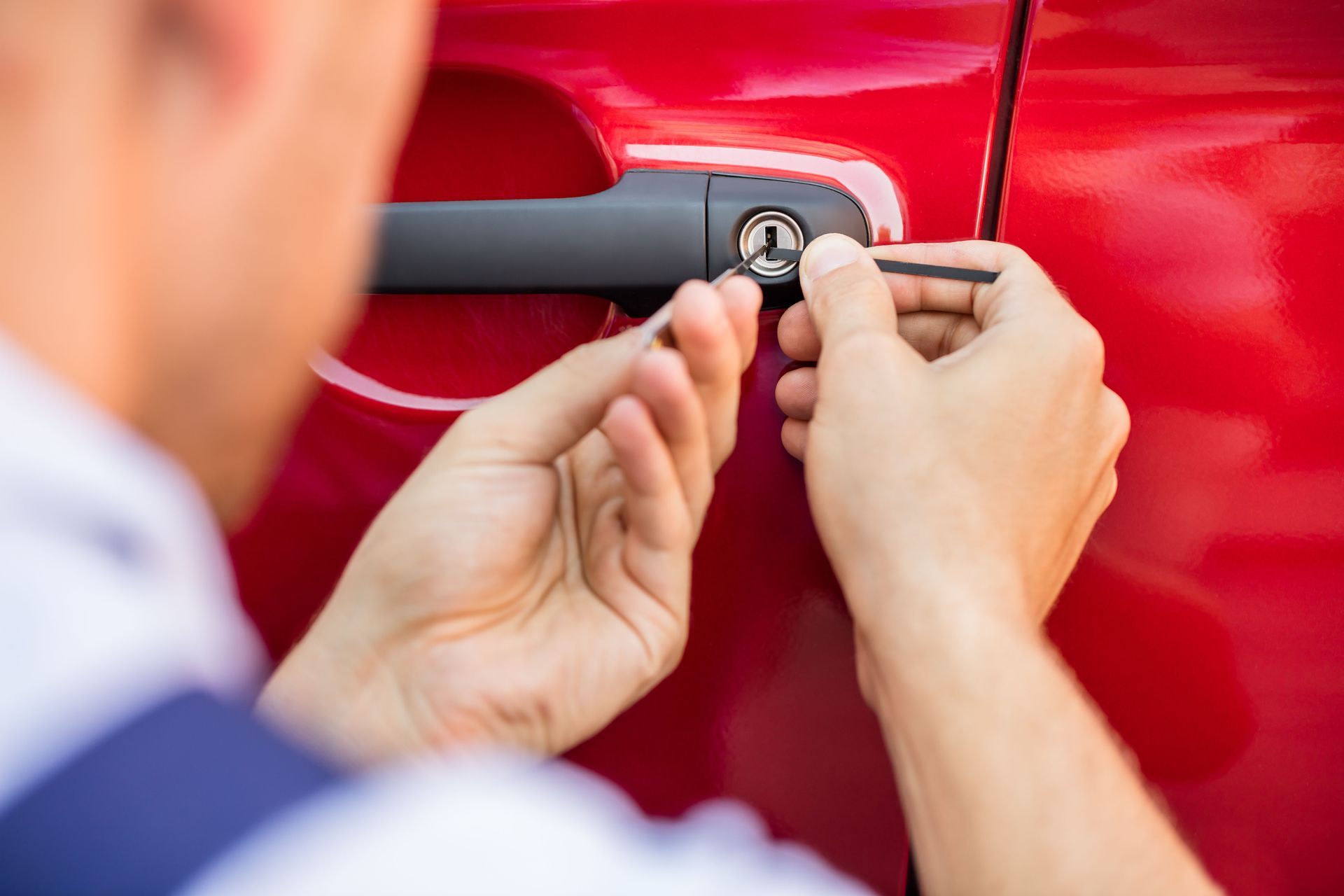
Lockouts are one of the most stressful scenarios for drivers. Whether the key is lost, broken, or sitting on the front seat, the goal is always the same: regain access without causing damage. Modern vehicles are packed with sensors, airbags, and electronics inside the door panels. Forcing entry isn’t an option. Non-destructive techniques require specialized tools and a deep understanding of vehicle construction. This is where calm problem-solving matters. An auto locksmith must work efficiently while protecting the vehicle’s integrity, especially in situations where time and emotions are running high.
Strengthening Security After Key Replacement
Replacing a key isn’t just about restoring access—it’s also about restoring security. When a key is lost or stolen, the old credentials may still exist in the vehicle’s system. Leaving them active creates a risk. Part of the process often includes disabling old key codes so they can no longer start the vehicle. This step ensures that only the newly programmed key works, even if the original turns up later. Beyond that, professionals may recommend additional safeguards, such as rekeying locks or offering guidance on key storage and handling. A thoughtful auto locksmith doesn’t just solve the immediate problem—they help prevent the next one.
Adapting to the Future of Automotive Security
Vehicle technology isn’t slowing down. Biometric access, smartphone-based keys, and cloud-connected systems are already entering the mainstream. Each advancement raises the bar for security and complexity.
For professionals in the field, staying relevant means constant learning. New software, updated programming tools, and manufacturer changes all shape how services are delivered. The role of the auto locksmith continues to evolve from traditional tradesperson to highly trained automotive security specialist.
As sustainability becomes more important, the industry is also exploring eco-friendly practices, from recycling old components to reducing waste during replacements. The future of key replacement isn’t just smarter—it’s more responsible. Another often-overlooked aspect of modern key replacement is the emotional side of the experience. Losing a car key rarely happens at a convenient moment. It’s usually late, rushed, or stressful—outside a grocery store, at work, or during bad weather. In those moments, people aren’t just looking for a technical solution; they want reassurance that the problem is manageable. Clear communication, patience, and explaining each step of the process in plain language can make a frustrating situation feel far more controlled.
Technology has also changed customer expectations. Many drivers are surprised to learn that replacing a modern key can take longer than cutting a traditional one, especially when security checks or programming steps are required. Educating customers upfront about why the process takes time helps build trust and reduces anxiety. When people understand that these safeguards exist to protect them from theft, the added steps feel worthwhile rather than inconvenient.
There’s also a growing emphasis on preventative planning. Some vehicle owners choose to have a spare key made proactively rather than waiting for an emergency. This approach reduces downtime, stress, and cost if a key is lost later. Professionals often recommend testing spare keys periodically to ensure they remain properly synced with the vehicle’s system, especially after battery changes or software updates. Modern key replacement is a perfect example of how technology quietly reshapes everyday experiences, and when you need reliable help restoring access and peace of mind, contact Pitbull Towing Salvage & Repair today to get back on the road with confidence.