April 3, 2026
The world of towing might seem straightforward to the average driver faced with a flat tire or a dead battery, but the methods used by tow truck companies to move vehicles are more varied and nuanced than most people realize. Two of the most common techniques in use today are flatbed and wheel-lift towing. Each serves a specific purpose and offers distinct advantages depending on the situation at hand.
Knowing why a tower chooses one method over another can save vehicle owners stress, time, and unexpected costs. Explore the differences between flatbed and wheel-lift towing and discover how the choice affects both safety and customer satisfaction.
How Flatbed Towing Works
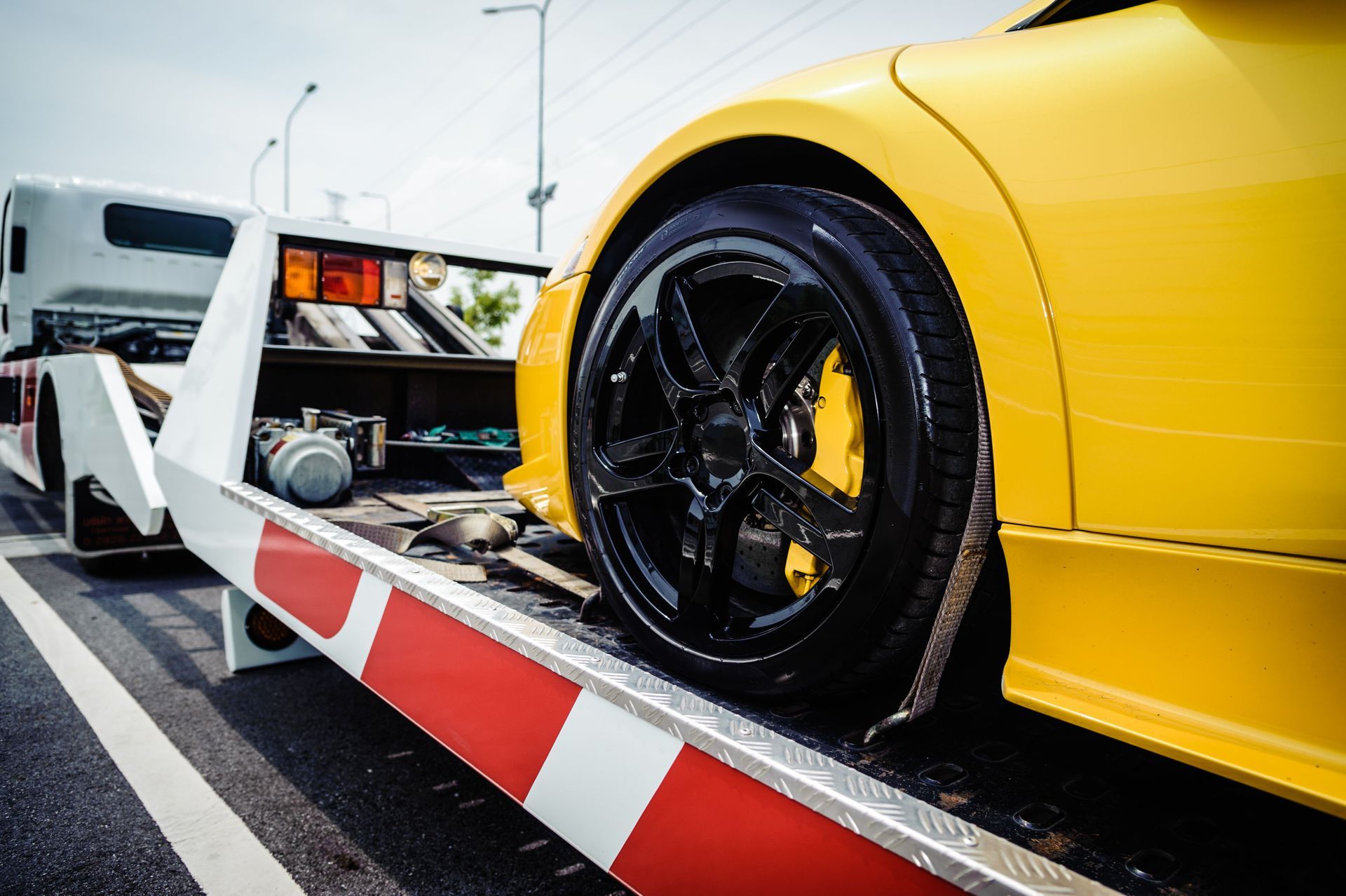
Flatbed tow trucks involve loading the entire vehicle onto a large, flat platform attached to the back of a tow truck. This method is sometimes called rollback because the bed of the truck tilts and slides back to form a ramp. The vehicle is then winched or driven onto the bed, secured in place, and transported. Because all four wheels of the towed vehicle are off the road, nothing touches the pavement during transit.
Towers favor flatbed towing in circumstances where the vehicle could be further damaged by dragging its wheels. Classic cars and luxury vehicles often fall into this category. Flatbed trucks are also ideal for vehicles that are badly damaged or have suspension issues. By keeping the vehicle completely off the ground, this method minimizes wear and tear.
From a safety perspective, flatbeds reduce the risk of harm to the vehicle or surrounding traffic. With the vehicle fully secured on the bed, there is less chance of it shifting or becoming unstable during transport. This peace of mind is one reason flatbed methods are preferred for long distances and delicate jobs.
What Wheel-Lift Towing Involves
Wheel-lift towing, on the other hand, uses a metal yoke to lift either the front or rear wheels of a vehicle off the ground. The remaining two wheels stay on the road, rolling as the vehicle is towed. This method emerged as an evolution of the older hook-and-chain style, offering a safer alternative that avoids damage to bumpers and frames.
Wheel-lift towers position the yoke under the wheels and use hydraulic lifts to raise them into the air. The truck then pulls the vehicle to its destination with the weight balanced between the truck and the remaining two wheels on the road. This method is often faster to set up than a flatbed, which can make it a practical choice when time is of the essence.
Towers frequently rely on wheel-lifting for local tows or when moving vehicles short distances. It is especially common for late-model cars, where full flatbed service might not be necessary. Because wheel-lift towing uses simpler gear and takes less time to implement, it can also be more cost-effective for the customer.
However, wheel-lifting isn’t suitable for all vehicles. Cars with low clearance, all-wheel drive, or extensive mechanical issues may not fare well with this method.
Why Towers Choose One Method Over Another
Tow truck companies consider several factors when deciding whether to use a flatbed or wheel-lift method. Chief among these considerations is the condition and type of the vehicle needing service. A customer with a new electric car that cannot roll its wheels on its own will almost always be assigned a flatbed tow. Similarly, vehicles with significant damage after an accident are safer on a flatbed because wheel-lift techniques might exacerbate existing structural issues.
According to the Business Research Company, the total revenue of the global tow truck market exceeds $1.67 billion with an expected growth rate of 4.3% through 2034. This growth reflects not just the increasing number of vehicles on the road, but also the demand for specialized towing services that cater to different vehicle types and customer needs. As more towers invest in flatbeds and other modern equipment, customers can expect greater flexibility in how their vehicles are towed.
Another deciding factor is distance. Towers often use wheel-lift towing for short, local transports such as moving a vehicle a few blocks to a repair shop. For longer trips, flatbeds are generally the safer choice, reducing the wear on the towed car. Weather and road conditions also play a role; slippery surfaces or rough terrain might make placing a vehicle on a flatbed the better option to avoid further risk.
How Safety and Vehicle Protection Are Prioritized
One of the most significant reasons towers choose flatbeds is safety. When a vehicle is fully loaded onto a flatbed truck, there is minimal movement during transit. This stability is crucial for high-end vehicles or cars that have sustained damage. Protection of the towed vehicle is paramount, and flatbeds excel at isolating the vehicle from potential road hazards.
For wheel-lift towing, safety depends on both the condition of the towed vehicle and the skill of the operator. A trained tower can quickly secure a vehicle in a way that minimizes strain on the remaining wheels and suspension. This makes wheel-lift tow methods a reliable method for everyday incidents such as breakdowns or quick relocations.
From the customer’s perspective, understanding the safety implications of each method can influence expectations. Drivers who are unaware of the differences might question why a tower chooses one method over another. Educating customers about how flatbed and wheel-lift systems protect their vehicles eases concerns during what can be a stressful moment.
Best Practices for Drivers Requesting a Tow
When a driver finds themselves in need of a tow, knowing a few basics can make the process smoother. First, providing accurate information about the vehicle and its condition when calling for service helps the tower prepare the right equipment. If the vehicle cannot roll or has extensive damage, mentioning these details ensures the tower brings a flatbed if necessary.
Drivers should also ask questions. Understanding why a tower recommends flatbed versus wheel-lift can clarify expectations and avoid confusion. A reputable tower will gladly explain their choice and how it protects the vehicle. Clarifying cost estimates upfront is also wise, as it gives drivers a chance to plan ahead.
Another best practice is to remain with the vehicle until the tow begins, when possible. This allows the driver to observe how the tower handles the car and ensures that the correct method is used.
Drivers should follow up with their insurance provider if coverage is involved. Different policies cover different methods, and knowing the details can prevent surprise bills. In many cases, insurance will cover flatbed towing for certain vehicle types, making it the preferred method without additional cost to the driver.
Flatbed and wheel-lift towing are both essential methods in the industry, each with its own strengths and appropriate use cases. Flatbeds offer maximum protection and stability, while wheel-lift methods provide a quick, cost-effective solution for many everyday situations. Understanding how and why towers make these choices empowers drivers to make informed decisions when they need a tow.
The goal of any tower is to move vehicles safely, efficiently, and with respect for the customer’s needs. Whether stranded on the side of the road or planning transport for a prized car, knowing what to expect makes all the difference.
Stuck on the road? At Pitbull Towing Salvage & Repair, we’re ready to take care of your towing needs and get you back on the road.