October 29, 2026
Unexpected vehicle problems can disrupt your plans, create safety concerns, and leave you stranded. Knowing when to arrange a tow helps you respond quickly and avoid additional damage. From mechanical breakdowns to flat tires and lockouts, several situations can make driving impossible or unsafe. Understanding when to call for local towing helps you make informed decisions during stressful roadside emergencies.
1. Mechanical Failures
Engine and Transmission Problems
Engine and transmission failures are serious reasons a vehicle may need towing. Engines can stop working because of overheating, inadequate maintenance, or damaged components. Transmission problems, including fluid leaks, worn gears, and electronic malfunctions, can prevent a vehicle from shifting or moving.
Warning signs such as grinding noises, slipping gears, and sudden power loss should never be ignored. Continuing to drive can cause more extensive damage. When a vehicle becomes undrivable, local towing provides a safe way to transport it to a repair facility.
Overheating Engines
An overheating engine can quickly turn an ordinary trip into a roadside emergency. Coolant leaks, radiator problems, and faulty water pumps can prevent the cooling system from regulating engine temperature. Drivers may notice steam beneath the hood or a rising temperature gauge.
Pull over safely and turn off the engine. Never remove a hot radiator cap because pressurized coolant can cause severe burns. Arranging a tow is safer than risking permanent engine damage by continuing to drive.
Brake and Steering Failures
Brake and steering problems can make a vehicle dangerous to operate. Worn brake components, hydraulic leaks, and damaged steering parts can interfere with control. Soft brake pedals, grinding sounds, or sudden difficulty steering require immediate attention.
When these critical systems fail, driving to a repair shop is not worth the risk. A professional towing service can transport the vehicle without exposing other motorists to unnecessary danger.
2. Traffic Collisions
Minor Collisions
Even a low-speed collision can damage components that are not immediately visible. Bent wheels, damaged suspension, leaking fluids, or misaligned steering can make a vehicle unsafe despite minor exterior damage.
When collision damage affects drivability, local towing can move the vehicle to a repair shop for inspection. Drivers should not assume a car is roadworthy simply because it still starts and runs.
Major Accidents and Rollovers
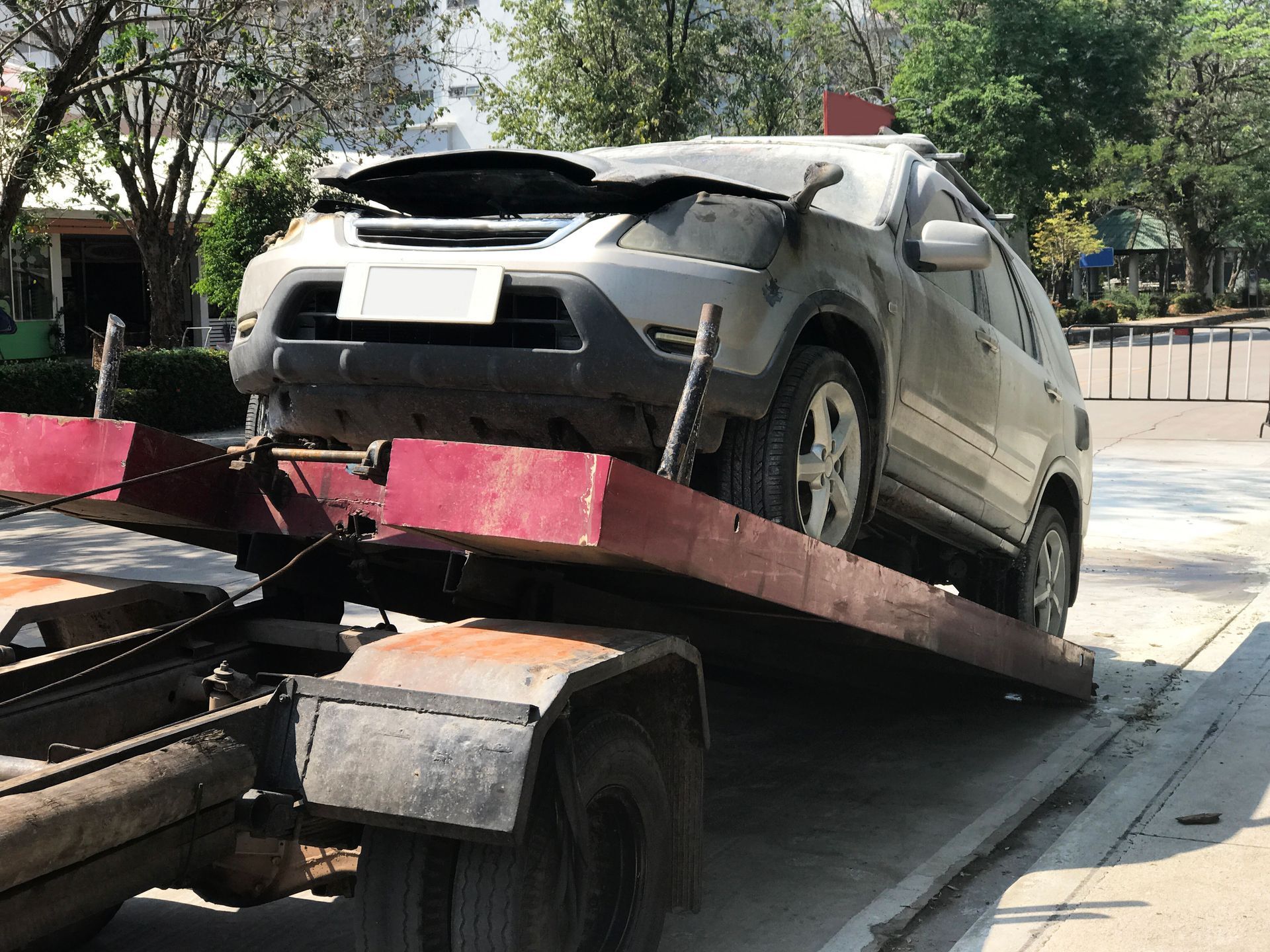
Severe collisions and rollovers often require specialized recovery equipment. Structural damage, deployed airbags, broken wheels, and fluid leaks can prevent safe operation. Experienced towing professionals can secure and move the vehicle while protecting nearby motorists and emergency responders.
According to reports from LookupAPlate, around 55,000 vehicles are towed every day in the United States. Traffic collisions contribute to this demand, along with breakdowns and other roadside problems. After a serious accident, prioritize personal safety and contact emergency services when necessary.
Hit-and-Run Incidents
A hit-and-run can leave drivers dealing with unexpected damage and uncertainty. Documenting the damage, reporting the incident to law enforcement, and contacting the insurance company can help with the claims process.
If the vehicle has damaged lights, compromised steering, or leaking fluids, towing is the sensible option. Transporting it to a repair facility allows technicians to evaluate the damage before repairs begin.
3. Flat Tires and Wheel Damage
Punctures and Blowouts
Nails, sharp debris, potholes, and worn tread can cause punctures or sudden blowouts. A damaged tire may leave a vehicle stranded, especially when a spare is unavailable. Blowouts can also damage wheels, suspension components, and body panels.
If a blowout occurs, slow down gradually and move away from traffic when possible. If the tire cannot be replaced safely, local towing can transport the vehicle to a tire shop without risking further damage.
Multiple Damaged Tires
When two or more tires become damaged, a spare may not be enough to get the vehicle moving. Road debris, potholes, and collisions can affect multiple wheels, making driving unsafe.
Severe wheel damage and alignment problems can also compromise vehicle control. Professional towing helps prevent further damage while ensuring the vehicle reaches a facility where technicians can inspect the tires and suspension.
Missing or Unusable Spare Tires
Some vehicles lack a full-size spare, while others have temporary spares unsuitable for certain situations. A missing, damaged, or improperly inflated spare can leave drivers without a practical solution.
Checking your spare tire before traveling can reduce the likelihood of this problem. When a safe replacement is unavailable, arranging a tow is often the most reliable way to reach a repair facility.
4. Battery and Electrical Problems
Dead Batteries
A dead battery can prevent a vehicle from starting because of extreme temperatures, an aging battery, or lights left on. Although a jump-start may resolve the problem, it will not work if the battery is damaged or cannot hold a charge.
When roadside assistance cannot restore power, local towing can take the vehicle to a technician for testing and replacement. Regular battery inspections can help reduce unexpected breakdowns.
Alternator and Electrical Failures
The alternator supplies electrical power and recharges the battery while the engine runs. When it fails, drivers may notice dim headlights, dashboard warnings, or an engine that eventually stops running.
Damaged wiring, blown fuses, and corroded battery terminals can also prevent a vehicle from operating. Because modern vehicles rely on complex electrical systems, professional diagnostics may be necessary. Towing provides a safe way to transport a vehicle when roadside repairs are not possible.
5. Running Out of Fuel
Empty Tanks and Fuel Gauge Problems
Running out of fuel can happen when drivers underestimate their remaining range or travel through areas with few gas stations. A faulty fuel gauge can complicate matters by displaying inaccurate readings.
Planning fuel stops and monitoring mileage can help prevent these interruptions. If the vehicle stops in an unsafe location or roadside fuel delivery is unavailable, local towing can move it to a safer place or service facility.
Damaged Fuel Systems
A damaged fuel pump, clogged filter, or leaking fuel line can interrupt fuel delivery and cause the engine to stall. Fuel theft can also leave a vehicle empty and may damage the fuel system.
Never operate a vehicle with a suspected fuel leak because of the fire risk. Move away if necessary, contact emergency services when there is an immediate hazard, and arrange professional assistance.
6. Vehicle Lockouts
Lost Keys and Locked-In Keys
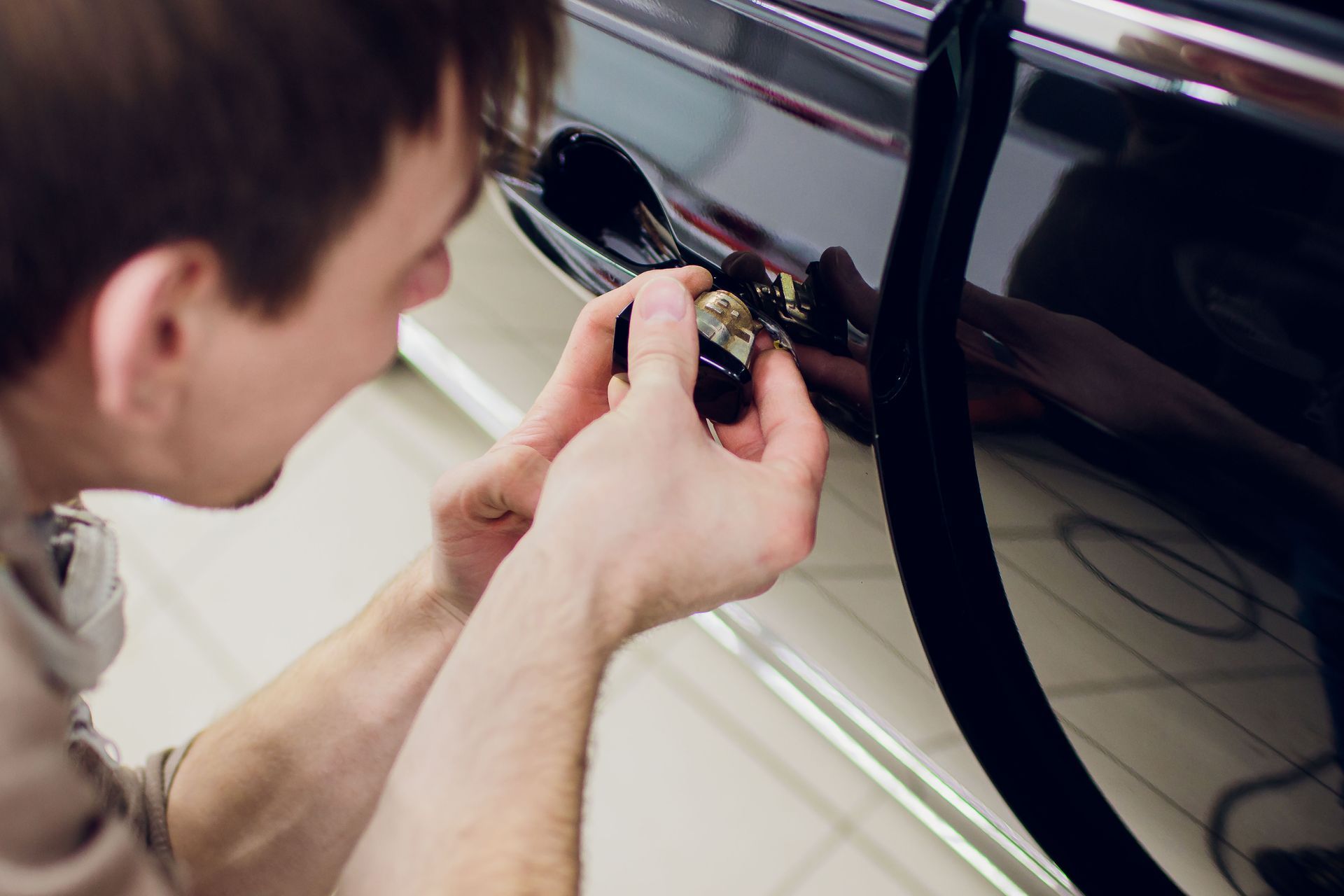
Losing your keys or locking them inside the vehicle can disrupt a trip, especially when a spare is unavailable. Roadside assistance may be able to unlock the doors without causing damage. More complicated situations may require an automotive locksmith or dealership.
Towing may be necessary when the vehicle must be transported for further assistance. Keeping a spare key in a secure location can help prevent lockouts.
Broken Key Fobs and Malfunctioning Locks
Modern vehicles often depend on electronic key fobs and advanced locking systems. A depleted fob battery, electronic failure, or damaged lock can prevent access or stop the vehicle from starting.
Consulting the owner's manual may reveal a backup entry or starting procedure. If the problem persists, professional assistance can determine whether the vehicle needs a replacement key, lock repair, or further diagnostics. A tow may be appropriate when the vehicle cannot be operated safely.
When to Arrange Professional Towing
Knowing when to stop driving is an important part of vehicle ownership. Serious mechanical problems, damaged safety systems, collision damage, and hazardous roadside conditions are reasons to seek professional assistance.
When requesting local towing, provide your location, vehicle make and model, and a description of the problem. Mention collision damage or any need for specialized equipment so the provider can prepare appropriately.
Keep up with vehicle maintenance, check tire pressure, monitor warning lights, and maintain emergency contact information. Although preventative care can reduce breakdowns, it cannot eliminate every unexpected problem.
When your vehicle cannot be driven safely, Pitbull Towing Salvage & Repair can help with your towing needs. Preparing ahead and seeking professional assistance can make unexpected roadside situations easier to manage.