May 26, 2026
Understanding that regular auto repairs and maintenance can significantly extend the life of your vehicle is crucial. This article aims to explore expert strategies and practices that can help you achieve this goal. With a commitment to regular care and maintenance, you can not only prolong the lifespan of your vehicle but also ensure its reliability. This comprehensive guide covers every aspect of maintaining your vehicle, from regular inspections to choosing quality parts and seeking expert consultation. Let's delve into these proactive strategies to keep your vehicle in peak condition.
Understanding the Basics of Vehicle Maintenance
Regular Oil Changes
Regular oil changes are the cornerstone of vehicle maintenance. Engine oil serves as the lifeblood of your vehicle's engine, providing lubrication to minimize wear and tear on moving parts. Over time, oil can degrade and lose its effectiveness, which may lead to increased friction and engine damage. Ensuring oil is changed approximately every 3,000 to 5,000 miles helps keep the engine running smoothly and efficiently. Skipping regular oil changes can result in costly auto repairs and may significantly shorten the lifespan of your vehicle's engine.
Tire Maintenance
Proper tire maintenance is vital for vehicle safety and longevity. Keeping tires properly inflated ensures optimal contact with the road, which improves fuel economy and handling. Regular tire rotation and alignment checks help promote even tire wear, extending their life and maintaining a safe driving experience. Additionally, periodic pressure checks ensure tires are at the right pressure according to manufacturer specifications, preventing premature tire failure. By prioritizing tire care, you can enhance driving comfort and vehicle performance while safeguarding against unexpected blowouts on the road.
Brake System Inspection
Frequent brake inspections are necessary to ensure safety and maintain your vehicle's performance. Brake components naturally wear over time, and regular inspection can help catch issues before they become serious. Routine checks involve examining brake pads, rotors, and fluid levels to determine their condition and need for replacement. Early detection and repair of brake issues not only improve driving safety but also prevent more extensive damage to the brake system. Investing in routine brake inspections contributes to the overall reliability and longevity of your vehicle.
The Role of Expert Mechanic Consultations
Finding a Trusted Mechanic
Choosing a reliable mechanic or auto repairs shop is a crucial step in maintaining vehicle health. A trusted mechanic brings expertise and knowledge to diagnose and repair complex vehicle issues effectively. Researching credentials, seeking recommendations, and comparing reviews can help find a mechanic who meets your needs. Establishing a relationship with a reputable mechanic ensures quality service and peace of mind, knowing that your vehicle is in capable hands. A reliable mechanic not only addresses present concerns but also provides advice on preventative care.
Diagnostic Tools and Technology
Modern diagnostic tools and technology play a vital role in identifying vehicle problems accurately and efficiently. Advanced diagnostics allow mechanics to pinpoint issues using computerized systems, minimizing guesswork and time to repair. These tools facilitate the detection of faults in complex systems such as emissions, electrical, and engine management. By leveraging the latest technology, mechanics can deliver faster, precise solutions to enhance vehicle performance and prevent recurring issues. Utilizing technology in diagnostics is essential in modern auto repairs strategies.
Scheduled Professional Inspections
Scheduled professional inspections are a proactive approach to vehicle upkeep. These inspections go beyond basic maintenance, offering a thorough examination of the vehicle's systems by experts who can identify hidden issues. A routine professional assessment is critical, especially when preparing for long journeys or seasonal changes that can impact vehicle performance. By adhering to a regular inspection schedule, you minimize the risk of unexpected breakdowns and ensure your vehicle is always ready for the road. Timely recognition and rectification of potential problems found during these inspections can save both time and money in the long run.
The Importance of Using Quality Parts and Fluids
Genuine vs. Aftermarket Parts
When replacing parts during auto repairs, drivers often face the choice between genuine and aftermarket options. Genuine parts are designed by the original manufacturer and uphold the vehicle's original quality and performance standards. Meanwhile, aftermarket parts offer affordability with varying degrees of quality and compatibility. Understanding the trade-offs between these options is crucial for balancing cost and vehicle integrity. Opting for genuine parts ensures optimal fit and function, supporting vehicle longevity and reducing the risk of part failure.
Advantages of High-Quality Oils and Lubricants
High-quality oils and lubricants play a pivotal role in maintaining vehicle health by reducing engine wear and optimizing efficiency. These products provide superior protection against high temperatures, friction, and contaminants that can compromise engine performance. Investing in high-quality oils helps maintain clean engine internals, prevents sludge buildup, and extends engine life. Premium oils and lubricants also enhance fuel efficiency and emissions performance. Making an informed decision when selecting oils ensures consistent vehicle reliability and economical operation.
Choosing the Right Tires
Choosing the right tires involves considering driving needs, weather conditions, and vehicle specifications to ensure safety and performance. When selecting tires, drivers should prioritize factors such as tread design, seasonal suitability, and load capacity to match their driving environment. Selecting appropriate tires enhances road grip, fuel efficiency, and longevity. Collaborating with professional tire experts provides valuable insights and recommendations for tire options and maintenance practices. Informed tire choices contribute significantly to the vehicle's handling, safety, and cost-effectiveness over time.
Preventive Maintenance to Avoid Major Repairs
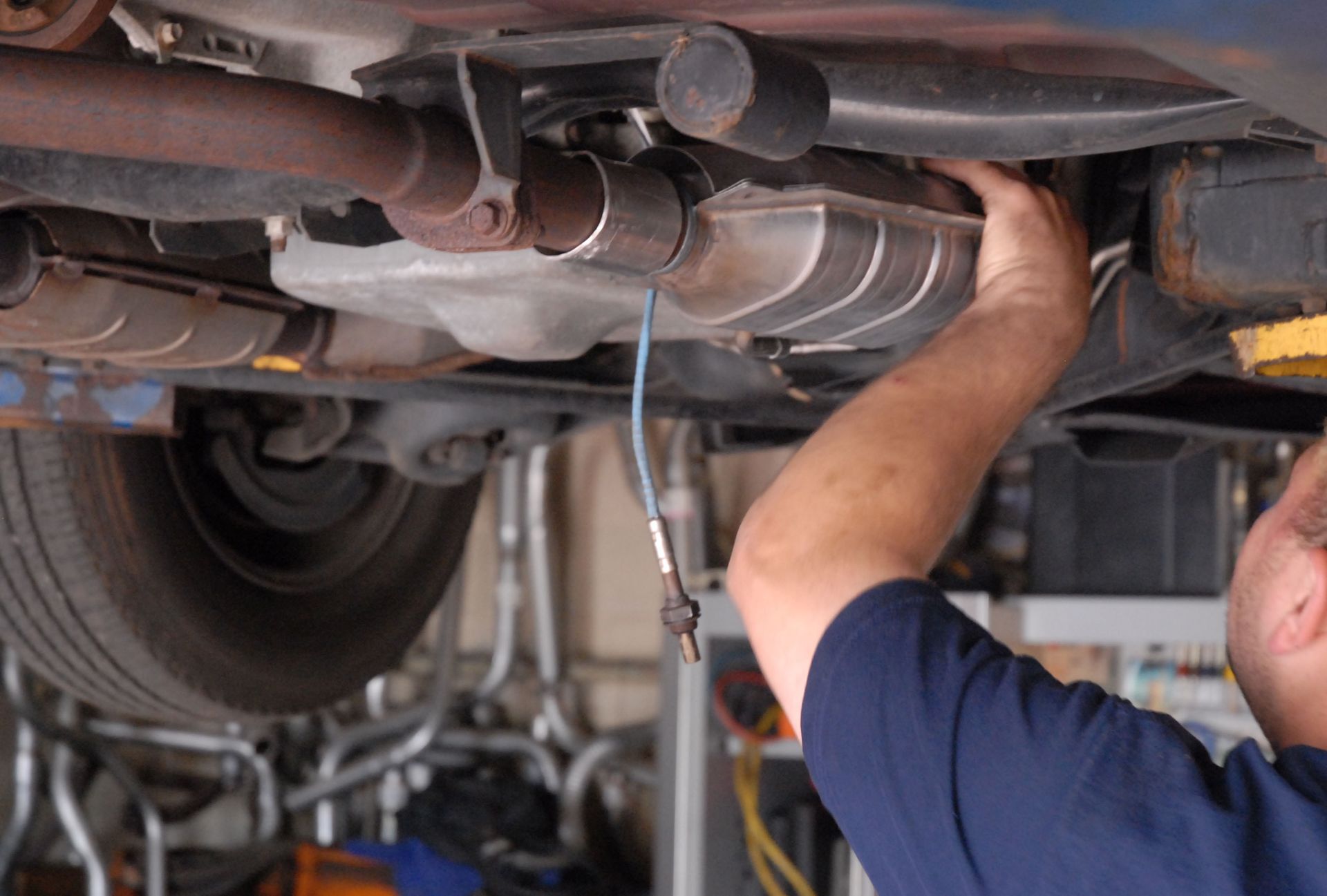
Regular Engine and Transmission Checks
Routine checks of the engine and transmission can avert substantial auto repairs. These components incur natural wear and tear, and early detection of problems is crucial for cost-efficient solutions. According to Gitnux, about 20% of auto repairs are caused by improper maintenance or neglect, a figure that underscores the tangible financial impact of skipping basic service. Regularly scheduled checks provide insights into fluid conditions, potential leaks, and operational efficiency, empowering drivers to address issues before they escalate. Timely intervention curtails repair costs and downtime, allowing for a smoother and more predictable vehicle performance. A proactive approach toward engine and transmission maintenance ultimately enhances vehicle reliability, reducing the likelihood of unexpected breakdowns.
Preventing Rust and Corrosion
Preventing rust and corrosion is key to preserving your vehicle's structural integrity. Exposure to environmental elements, such as road salt and moisture, can lead to rust formation if unchecked. Employing preventive measures like regular washing, using protective coatings, and addressing minor scratches can safeguard against corrosion damage. Regular inspections of undercarriage and body panels ensure early detection and remediation of rust-prone areas. By investing in anti-corrosion strategies, you sustain your vehicle's appearance and avoid unsightly bodywork or structural auto repairs.
Climate Control System Maintenance
Maintaining your vehicle's climate control system is essential for comfort and efficient operations. Regular inspections of the air conditioning and heating systems, localized to coolant levels, damaged lines, and functionality, ensure optimal performance during seasonal transitions. Routine upkeep prevents issues like refrigerant leaks or unpleasant odors, which can hinder passenger comfort. Checking system filters and airflow promotes improved system efficiency, resulting in a cleaner cabin environment. Being proactive with climate control maintenance enhances passenger satisfaction and keeps the system functioning smoothly year-round.
Summing up, consistent and informed vehicle maintenance, access to expert assistance, and utilization of quality parts are instrumental in extending a vehicle's lifespan and enhancing its performance. By implementing the methods and understanding shared in this article, you can enjoy your vehicle longer and more safely. Adopting a proactive and preventive maintenance approach allows owners to keep their vehicles roadworthy, environmentally friendly, and cost-efficient. Enlisting the support of trusted mechanics for your auto repairs and leveraging technology ensures access to the best resources for vehicle care. Ultimately, dedication to thoughtful maintenance supports a seamless driving experience and impresses with long-term ownership benefits.
Whether you need a jump start, roadside assistance, or a full recovery, Pitbull Towing Salvage & Repair is here. Contact us today for reliable auto repairs and prompt towing solutions!